Showing posts with label indoor tomatoes. Show all posts

Saturday, March 6, 2010

Coming out of hibernation

It's been a long while and a lot has changed since the last post. The last garden was almost an entire failure. It began when I put a pick ax in my foot, I know it sounds bad, it was. I had to have surgery to screw my bones back together. Needless to say the garden suffered despite efforts to maintain it. Then spider mites took over and ravaged every last plant. It was horrific. So much hard work all for not over a little white bug. I didn't even photograph the devastation.

Since then I've also moved. I'm no longer in a house, but instead an apartment in the northwest corner of Seattle. I was reluctant at first to start up the garden again for a few reason.

The first being that I sold the light. Mostly because if I was going to start again I'd need a better one. I haven't dished out the cash for a new one yet, but the days are getting longer and I figured I'd give it a shot just using natural light to see how that goes.

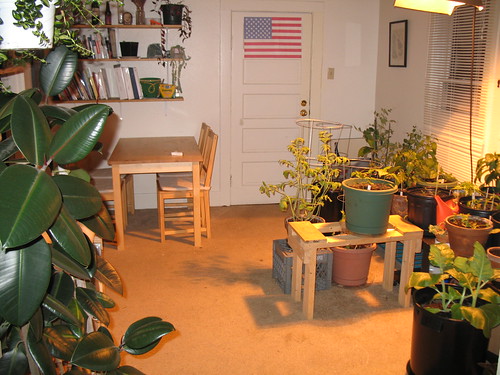
My new place is fairly well lit, unfortunately with indirect sunlight. There is a large east facing window in the living room and a smaller south facing window in the dining room. Being as the dining room is linoleum I opted for placing it there for now. As the temperatures get a little warmer the majority of the plants are going to go outside where they can get a lot more natural light (the walk is open facing south).

Here's a quick rundown of what I've got going so far and how it's fairing. I'm still using the seeds that I bought about a year ago, since I have tons of them and the cost to replace with brand new seeds far out weights the benefits. I know that it's best to use fresh seeds, but sometimes that isn't possible. Ob la di.

Martian Giant Tomatoes: Sprouted 2/26, still in small incubator
Roma Tomatoes: Sprouted 2/27, still in small incubator
Cilantro: Sprouted 3/2, still in small incubator
Oregano: No growth
Yellow Summer Squash: Sprouted 2/24, still in small incubator but needs to be transplanted ASAP as they are getting too big and lanky (I need more pots)
Mediterranean Cucumber: Sprouted 2/24, 2/29 moved to small compostable pots
Pavira Chili: No growth
Cayenne Pepper: No growth
Red Beets: 2/27 sprout, still in small incubator
Brussel Sprouts: 2/26 sprout, desperately needs to be put into a pot, long and very stringy at this point (again need pots)
Oregon Spring Bush Tomatoes: 3/2 sprout, still in small incubator
Orange Eggplant: 3/1 sprout (only 1 of 3), still in small incubator
Hopi Tobacco: no growth
Scherazi Tobacco: no growth
Stringless Snap Bush Bean: 2/24 sprout, 3/2 moved to 5 gal pot with other beans
Cascadia Snap Bush Bean: 2/24 sprout, 3/2 moved to 5 gal pot with other beans
Yellow Pear Cherry Tomatoes: 3/1 sprout, still in small incubator
Orange Bell Pepper: no growth
California Sweet Bell Pepper: no growth
Yankee Bell Pepper: no growth
True Gold Sweet Corn: 2/25 sprout, 2/29 moved to small compostable pots
Triple Play Sweet Corn: 2/25 sprout, 3/6 moved to pot
Thai Basil: 2/27 sprout, still in small incubator
Red Basil: 2/28 sprout, still in small incubator, seems to be struggling a bit.

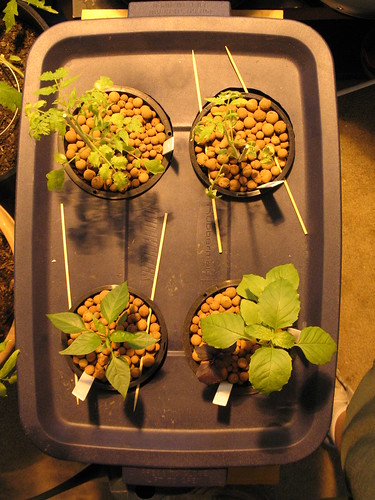
Here are a few pics of the scene so far:


Another thing that I've acquired since I moved is a carnivorous plant garden! It's actually really cool. I need to get some more plants in there but here's a peak at what it looks like:


Well that's the scene as of now. I'll keep y'all updated as we move forward.

Sunday, March 22, 2009

March Update

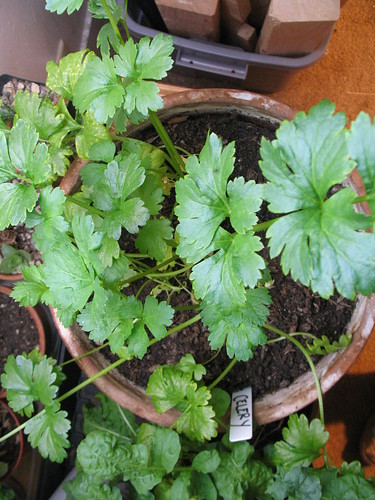
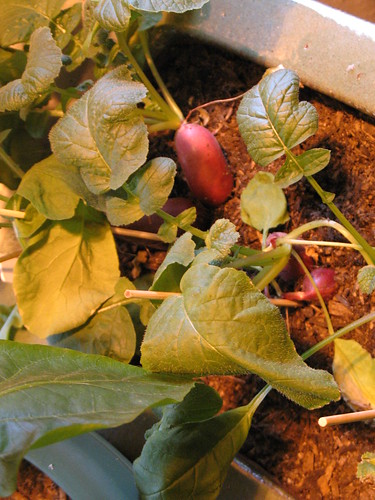
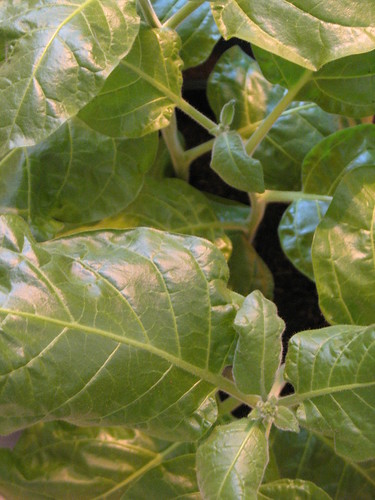
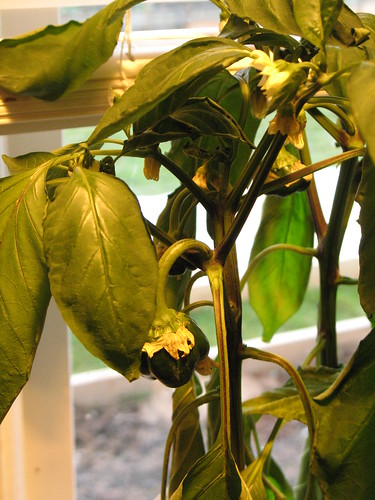
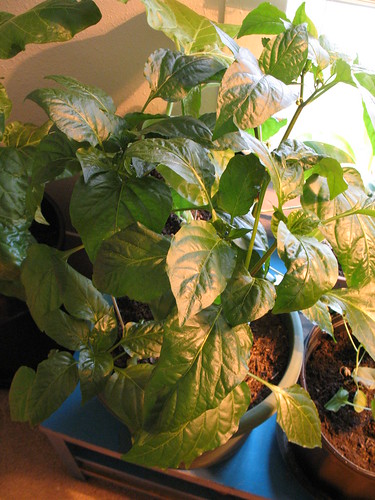
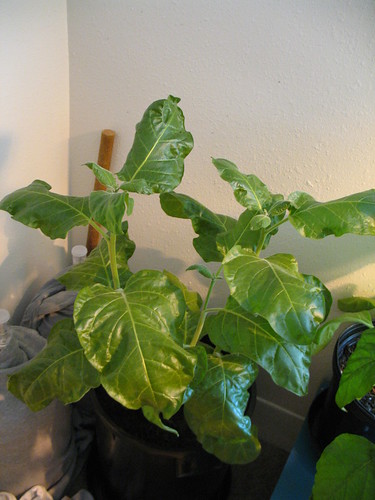
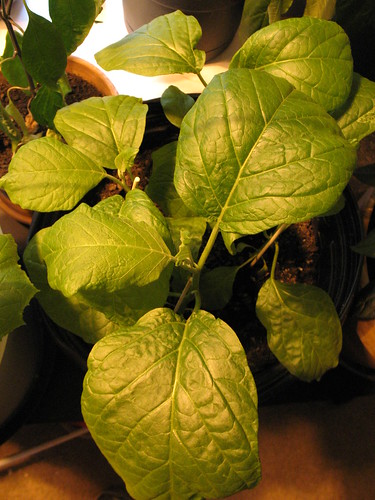
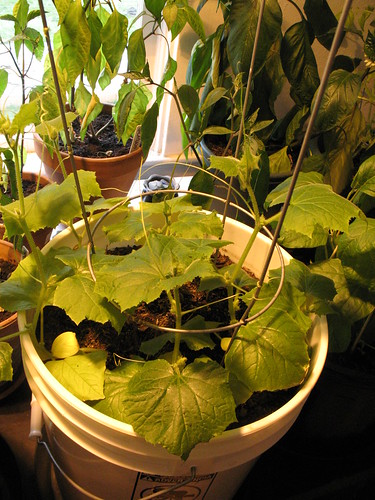
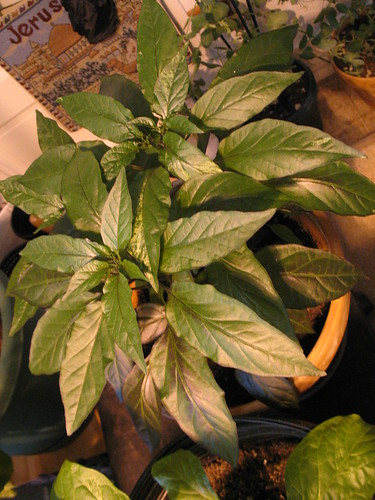
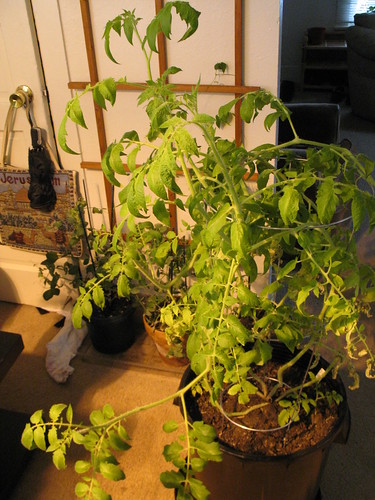
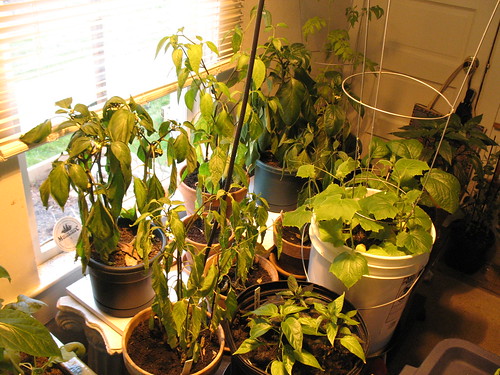
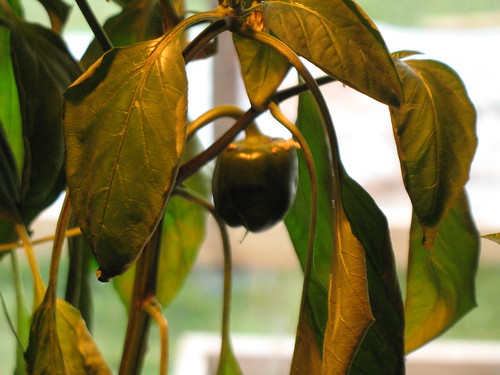
Alright so everything has taken off! It's all looking really awesome, except the roma tomatoes. they grew out of control and started breaking themselves apart. So I butchered it up and am trying to propagate a bunch more of them. Also we've got peppers starting to come in like crazy. So far they've been the easiest to grow indoors. Every one of the plants I have is showing signs of flowering or fruiting. Some of them may look a little wilted, but these photos were right before watering and I've cut back the frequency for the fruiting pepper plants.


Wednesday, February 18, 2009

Where should I start my indoor garden?

Once you've decided that you would like to enter the world of indoor gardening, there are a few things that you'll have to do before you can sow your first seeds.

Location! Location! Location!

You are going to want to think about a location that works within your home without being in the way. Tucking your garden away in a room that you never use could possibly lead to neglect. I have found that if you place your garden in the middle of your living room it may disrupt your everyday life and potentially place your plants in harms way. If you have pets or children you may want to consider places they are less likely to interfere with them (my cats loved to sleep on my tobacco when it was still young).

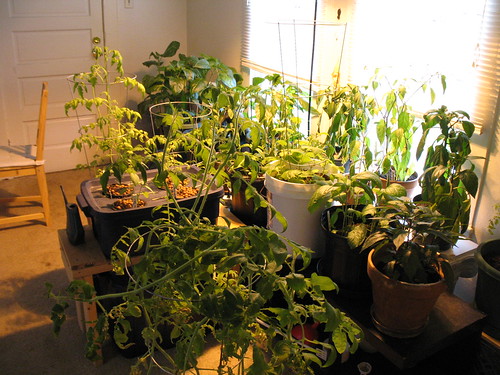
When I placed my garden I ended up using a portion of the dining room (as we usually eat in the bar). There are large west facing windows which help it to get a little natural light. The majority of the garden is over a heat vent, helping to maintain the proper temperature. I also positioned it so that it focuses on a side of the room that receives less traffic, while I still walk past it many times a day.

Climate

But most importantly is finding a place with the correct climate.

When you're growing tomatoes and peppers they enjoy a warmer climate. I tend to keep mine around 68 degrees minimum. When summer comes around that temperature may swell to close to 80 degrees, but they can still tolerate that heat. The last thing that you want is for them to get too cold and freeze to death.

Now with other plants such as lettuces, arugula, and many herbs, the temperature does not need to be so intense. And in some cases too hot can lead to negative effects. An example of this would be the arugula that I started in the same environment as the peppers and tomatoes. They seemed to be doing great, growing more and more every day, only to find that the warm climate and too much lighting causes the plant to become excessively bitter. In the end, make sure that you investigate the natural growing climate and duplicate as much as possible.